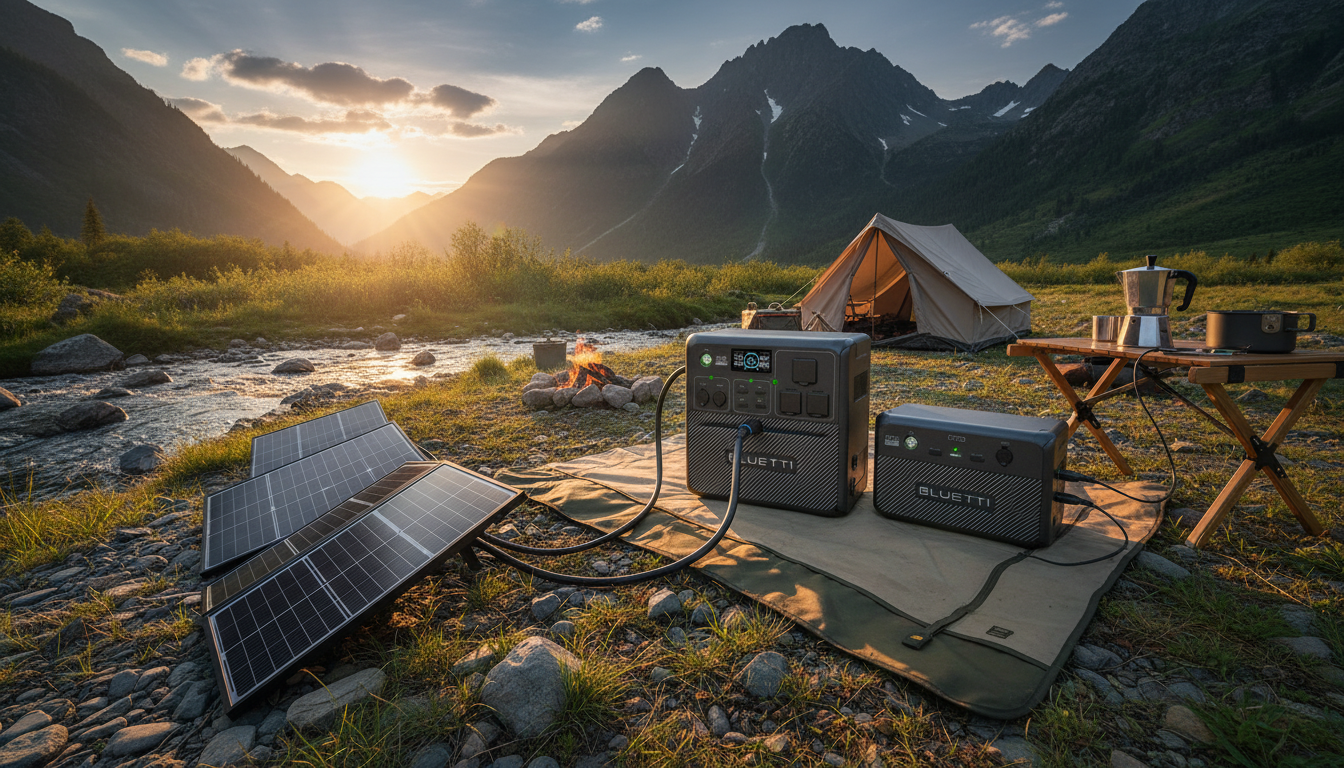
A high-capacity solar power station with water resistance bridges the gap between quiet renewable power and the messy reality of outdoor use. A 3686Wh battery class is large enough to run multiple essentials for long stretches, while an IP65-rated enclosure helps the station keep working when rain, dust, and muddy gear show up. Below is a practical way to think about capacity, weather protection, charging, and day-to-day power management so you can plan loads, recharging, and equipment protection with fewer surprises.
“3686Wh” describes stored energy (Watt-hours). In simple terms, it’s the fuel tank size: the larger the Wh number, the longer you can run devices before you must recharge. This capacity level is a strong fit for extended camping, mobile worksites, emergency backup for home essentials, remote cabins, and outdoor events where reliable, quiet power matters.
In practice, higher capacity reduces “battery anxiety” and supports multi-device use—lighting, communications, refrigeration, and small tools—when you plan your loads. Actual runtime varies with inverter losses (AC conversion), temperature, battery chemistry, and the behavior of what you plug in (especially compressor appliances that cycle on and off).
| Device / Load | Typical Power (W) | Estimated Runtime from 3686Wh (hours) |
|---|---|---|
| Phone charging (via USB) | 10 | 250–320 |
| Laptop | 60 | 45–55 |
| CPAP (no heated humidifier) | 40 | 65–80 |
| 12V cooler / fridge (average draw) | 50 | 50–65 |
| LED area lighting | 30 | 85–105 |
| Wi‑Fi router + modem | 20 | 125–160 |
| Small fan | 45 | 55–75 |
An IP65 rating generally means the enclosure is dust-tight and resistant to water jets from any direction. That’s a meaningful upgrade for outdoor reality: rain, splashes, wet hands, and gear piled on damp ground. For many campsites, boat docks, and muddy worksites, IP65 can be the difference between continuing the day and shutting down to protect electronics.
IP65 is not the same as waterproof for submersion. Avoid standing water, river crossings, and close-range direct hosing. Water resistance also depends on seals and proper closure, so keep port covers secured and try to shelter plugs and cable connections when possible. For more on IP ratings, see IEC 60529 / IP Code overview.
| Action | Why it matters |
|---|---|
| Place on an elevated, stable surface | Reduces exposure to puddles and runoff |
| Route cables with drip loops | Helps prevent water tracking into ports |
| Keep ventilation pathways unobstructed | Maintains cooling and avoids heat buildup |
| Use a ground tarp or hard case base | Limits mud and grit around seals |
A straightforward way to plan is to track daily energy use (Wh/day) and aim for a solar setup that can replace that amount with a buffer for clouds and shade. For a plain-language explanation of battery storage fundamentals, the U.S. Department of Energy battery storage basics is a helpful reference.
| Solar Array Size | Usable Sun Hours (per day) | Approx. Energy Added (Wh/day) |
|---|---|---|
| 200W | 4 | 600–700 |
| 400W | 4 | 1200–1500 |
| 800W | 4 | 2400–3000 |
| Load type | Why it surprises people | Mitigation |
|---|---|---|
| Fridge compressor surge | Startup surge can be much higher than running draw | Leave headroom; avoid running other heavy loads during compressor starts |
| AC adapters left plugged in | Small idle draw adds up over time | Unplug chargers when not needed |
| Inverter idle consumption | Some inverters draw power even with light loads | Use eco/standby modes when available |
For storm outages, the best approach is to power critical household devices and rotate loads to extend runtime. Preparedness guidance from Ready.gov pairs well with a large portable battery: keep communications up, preserve food, and maintain lighting while you wait for restoration.
For outdoor production, quiet power can also support small monitors, chargers, and audio gear. A stable camera support can help complete the kit; the Carbon Fiber Travel Tripod with Teleprompter Mount is a practical add-on for mobile filming and presentation setups.
| Task | Frequency | Goal |
|---|---|---|
| Inspect ports and seals | Before/after trips | Maintain protection against dust and moisture |
| Functional test with a small load | Monthly (storage periods) | Catch issues early |
| Recharge to a healthy storage level | Every 1–3 months | Reduce long-term capacity loss |
If the goal is high-capacity power that’s more forgiving in outdoor conditions, the Portable Solar Power Station 3686Wh, IP65 Water Resistant Generator is designed for extended runtimes and realistic exposure to dust and rain. Match the station to your planned loads and charging access (solar, wall, vehicle) rather than choosing on capacity alone, and confirm connector compatibility with existing panels and cables before you head out.
For efficient 12V coolers that average around 40–80W over time, 3686Wh can often support roughly 40–80 hours depending on compressor cycling. Hot weather, frequent door openings, warm food loads, and startup surges can shorten real-world runtime.
IP65 is typically suitable for rain and splashes because it resists dust and water jets when seals are intact and ports are properly closed. It is not meant for submersion, and it’s still wise to elevate the unit and shelter cable connections from direct runoff.
A practical method is array watts × usable sun hours × efficiency losses; for meaningful daily replenishment, many users target 400–800W depending on consumption. Build in extra margin for clouds, shade, and seasonal sun changes so daily input can keep pace with Wh/day use.





Leave a comment