
Deep sleep is built from small, repeatable choices: what happens in the last hour before bed, how the bedroom supports winding down, and which habits quietly disrupt rest. A “reset” doesn’t require a total lifestyle overhaul—it works best as a short, consistent sequence you can repeat even on busy nights. Below is a practical plan for dialing in your routine and bedroom setup, plus a simple way to track what actually moves the needle week to week.
A deep sleep reset focuses on inputs you can control instead of chasing a perfect night. The goal is to reduce friction, lower late-night stimulation, and create strong cues that tell your body it’s time to power down.
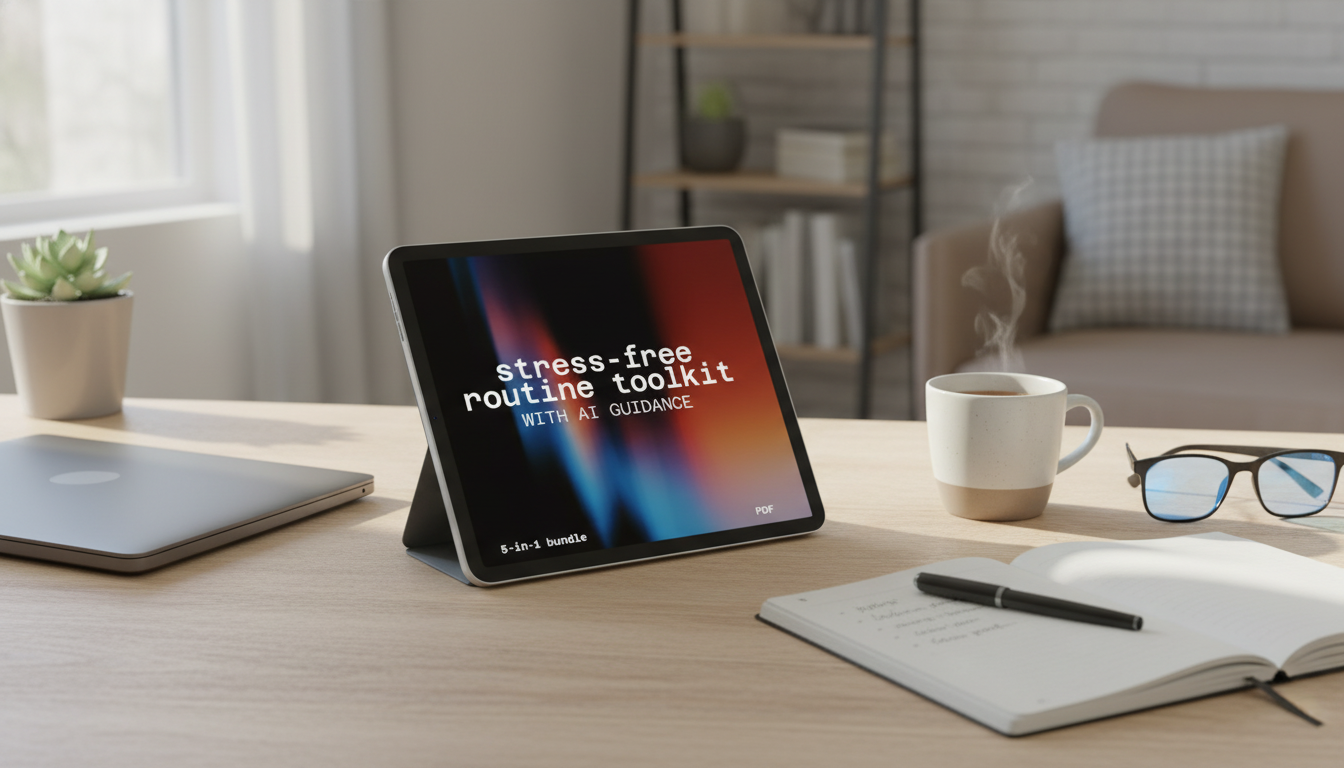
If you want a ready-made routine you can check off quickly, The Deep Sleep Reset Checklist (digital download) keeps the essentials in one place so your plan stays consistent.
This routine is designed to be realistic: a few key steps that lower arousal and reduce “accidental” stimulation late at night.
For nights when stress is the main issue, pairing the routine with a short guided decompression can help. Calm With Smart Tools guide is a practical option for building a steadier “off-ramp” from mental load into rest.
Your room doesn’t need to be a spa—just predictable and sleep-forward. Focus on eliminating disruptions that pull you out of deeper stages of sleep.
Instead of changing everything at once, stack improvements across one week. Protect the basics first (timing and light cues), then tighten the environment and stimulation.
| Night | Primary focus | Quick action | What to note the next morning |
|---|---|---|---|
| 1 | Timing | Choose a fixed wake time | Sleepiness at bedtime, energy on waking |
| 2 | Light cues | Get morning daylight; dim evening lights | Time to fall asleep |
| 3 | Wind-down | Start a 60-minute routine | Restlessness during the night |
| 4 | Screens | Move devices away from bed | How often you woke up |
| 5 | Room setup | Cooler room; darker environment | Sleep quality rating (1–10) |
| 6 | Stimulants | Earlier caffeine cutoff | Midday slump vs. steady energy |
| 7 | Keepers | Pick top 3 habits to keep | Most noticeable improvement |
For sleep fundamentals and why these cues work, see guidance from the National Heart, Lung, and Blood Institute and the American Academy of Sleep Medicine.
For a clear overview of sleep and the brain, the National Institute of Neurological Disorders and Stroke is a helpful reference.
Many people notice small improvements within a few nights, such as falling asleep faster or waking less often. More stable deep sleep patterns commonly take 1–2 weeks of consistent timing, light cues, and a supportive bedroom environment.
They work together: the wind-down lowers arousal and signals bedtime, while the room reduces disruptions like light, noise, and heat. If you can only start with one, stabilize timing and reduce evening light/screen stimulation, then optimize darkness and temperature.
Yes—consistency matters more than perfection. A checklist helps you keep the non-negotiables in place and makes it easier to return to your baseline after travel, stress, or a late night.






Leave a comment