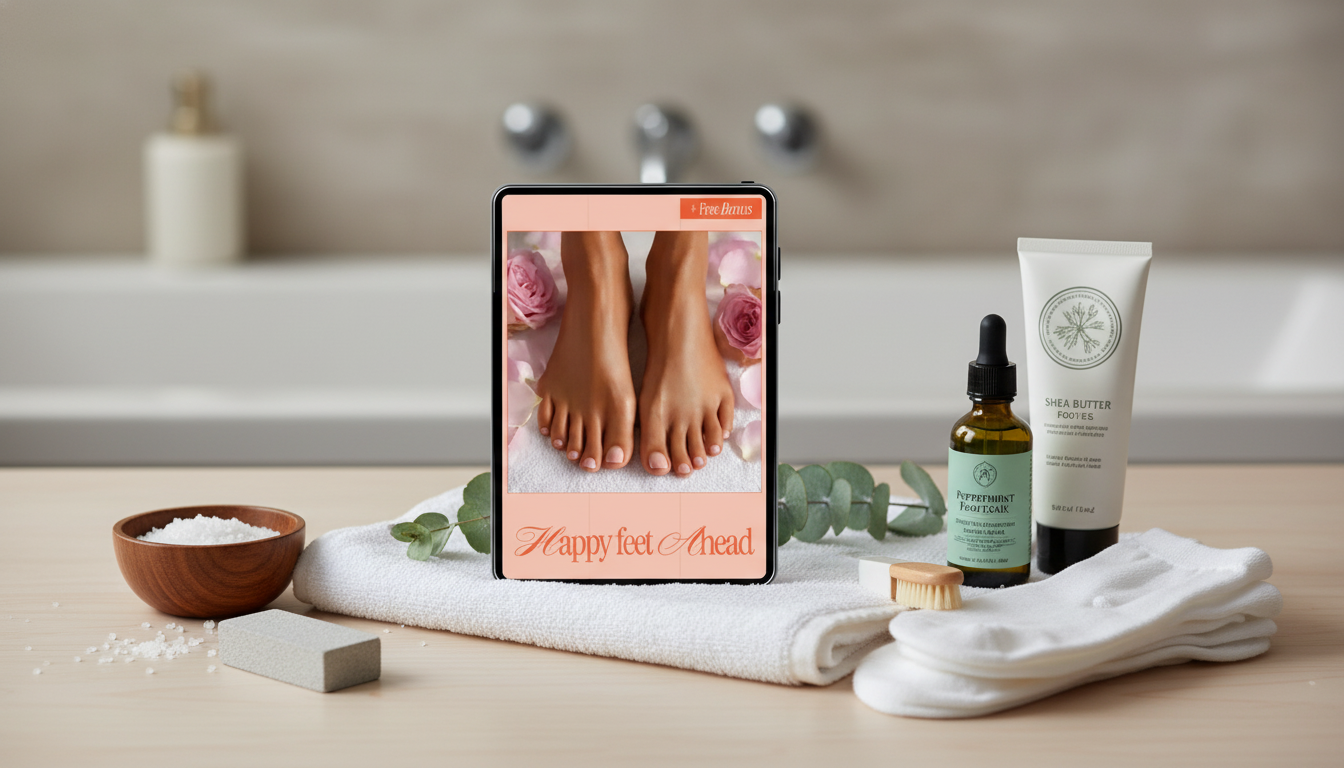
Comfortable feet aren’t about occasional “big fixes.” They come from small, repeatable habits—and a clear, safe plan for common issues like dryness, calluses, odor, and soreness. Below is a practical daily routine, simple at-home treatments, footwear and sock tweaks that matter, and a low-effort tracking method that helps you spot patterns before minor irritation becomes a bigger problem.
If you’re not sure what’s “normal,” the American Podiatric Medical Association has clear foot-health basics that can help you benchmark what you’re seeing.
The goal is to reduce moisture where it shouldn’t be, add moisture where it’s needed, and catch early hot spots before they turn into blisters or cracks.
| Task | When | What to look for | If you notice a problem |
|---|---|---|---|
| Dry between toes | After washing | No dampness, no white/macerated skin | Use a towel/cool hair dryer; switch to breathable socks |
| Moisturize heels/soles | Morning or night | Less flaking; no new cracks | Try urea-based cream; reduce friction from shoes |
| Quick skin scan | Night | Redness, blisters, hot spots, peeling | Protect with blister bandage; reduce pressure; monitor 48 hours |
| Nail check | Weekly | No ingrown edges; no thick debris | Soak and file gently; seek care for persistent pain or infection signs |
| Shoe/sock check | Daily | No rubbing seams; no tight toe box | Change sock type; adjust lacing; consider wider footwear |
Keep soaking brief (think minutes, not long soaks), pat dry, then apply a urea- or lactic-acid moisturizer. At night, wear socks to help seal it in. Skip aggressive shaving or cutting of skin—overdoing it can lead to tenderness and deeper cracking.
First, reduce the cause: friction and pressure. Then, after bathing, use a pumice stone gently and stop if skin becomes tender or raw. If calluses return quickly, it’s often a shoe fit or gait pressure issue, not a “more scraping” issue.
If the blister is intact, leave it intact. Clean the area, cover with a hydrocolloid blister dressing, and offload pressure with padding or a shoe change. Watch for spreading redness or warmth, which can signal infection.
Odor usually tracks with moisture. Rotate shoes, let pairs dry fully, and change socks when needed. If you also have peeling or itching between toes, consider that athlete’s foot may be involved; the NHS athlete’s foot guide outlines common signs and general care steps.
Elevate your feet, stretch calves and arches gently, and use a cold pack for 10–15 minutes. If soreness is happening often, revisit your daily walking volume and whether your shoes match your activity (casual shoes and long-distance walking don’t always mix well).
Tracking works best when it’s quick enough to actually do. Think “lightweight check-in,” not a complicated journal.
For diabetes-specific guidance, the CDC foot care page is a helpful reference for daily monitoring and red flags.
If you prefer a structured, step-by-step approach you can follow without overthinking, Happy Feet Ahead – Complete Foot Care Guide & Foot Health eBook (Digital Download) organizes daily routines, at-home treatment options for common issues (dryness, calluses, odor, soreness), and quick tracking prompts designed to help you identify triggers over time.
For anyone whose foot discomfort is tied to overall tension and end-of-day stress, pairing a simple foot routine with a calming reset can help consistency feel easier. Calm With Smart Tools — AI-Enhanced Stress Relief Ebook is a digital companion focused on quick, practical relaxation habits you can layer into your evening wind-down.
Most people do best moisturizing daily on heels and soles, especially after bathing. Avoid heavy moisturizer between toes, and adjust frequency if your feet sweat heavily or feel overly soft.
Gentle exfoliation with a pumice stone after bathing is usually safer than using blades. Stop if the area becomes sore, and prioritize reducing friction and pressure from shoes so the callus doesn’t rapidly return.
Dry feet thoroughly, change socks more often, rotate shoes so they can fully dry, and choose breathable materials. If itching or peeling is present, an antifungal approach may be needed.





Leave a comment