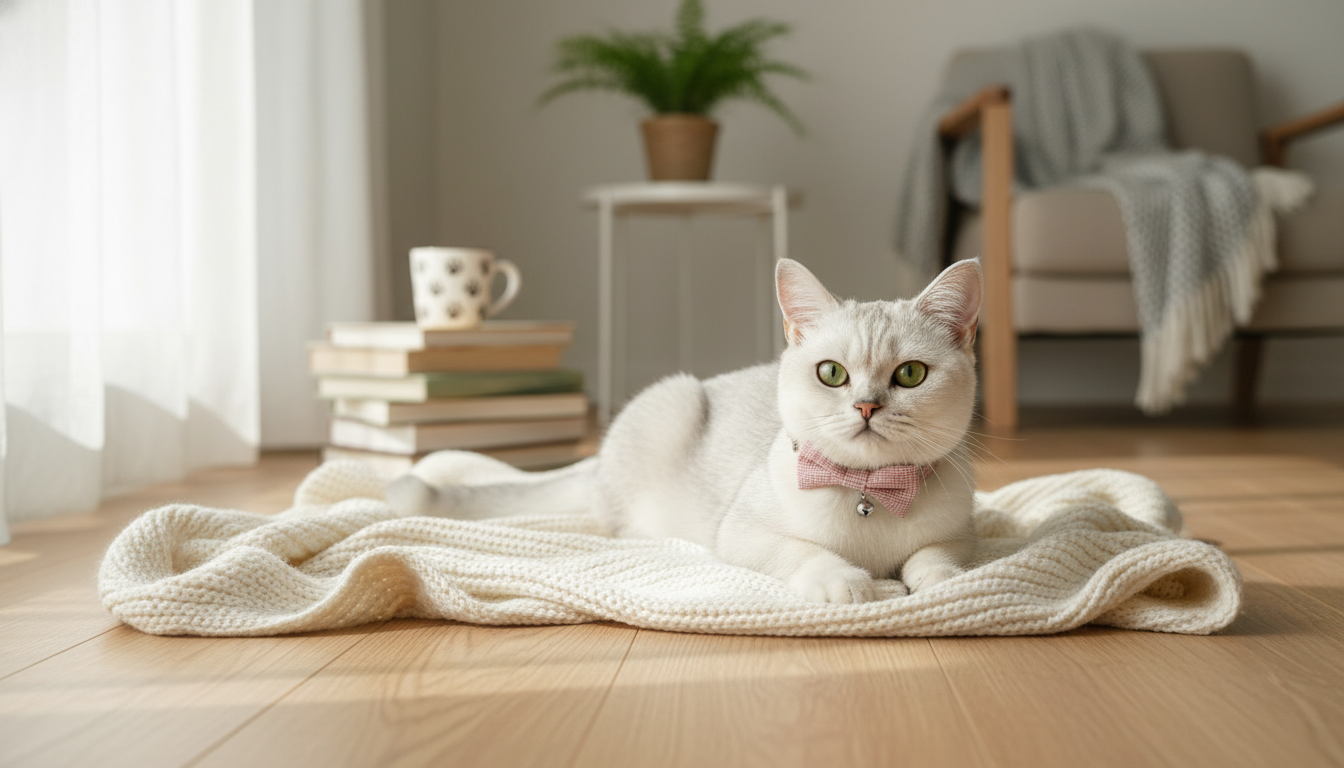
A plaid bow tie collar adds a polished touch for everyday wear, photos, or special occasions—without sacrificing comfort. This guide covers fit, comfort, safety, and care, plus what to look for when choosing a collar with a bell for a cat or small dog.
Plaid is a classic pattern that pairs easily with most coat colors, from solid black and white to calico and brindle. The bow tie detail creates a “dressed up” look in seconds, which is especially handy for quick photo ops, birthdays, and holiday gatherings. Adding a small bell can be practical, too: it helps you locate a quiet pet indoors and provides an audible “heads up” in multi-pet homes where surprise pounces can spark tension.
For petite pets, lightweight accessories are often the sweet spot—cute enough to stand out, but not so bulky that they interfere with normal movement. The best results come from matching the collar to your pet’s size, temperament, and activity level, and then checking fit regularly as routines (and coats) change throughout the year.
If you’re looking for an easy wardrobe upgrade, the Plaid Bow Tie Cat & Small Dog Collar with Bell is designed for cats and small dogs that wear lightweight collars. It includes a bow tie accent and a small bell for added charm and audibility, making it useful as an everyday collar, a photo accessory, or a quick “dressed up” finish for visits and celebrations.
Before extended wear, verify sizing and comfort at home, then re-check after your pet plays, eats, and naps. This type of accessory collar can also be a budget-friendly add-on for pet wardrobes or gift bundles.
Fit is what makes a decorative collar look good and feel good. Measure your pet’s neck with a soft tape measure (or a string you can measure afterward), and avoid guessing based on breed alone—small differences matter for petite pets.
Use the “two-finger” comfort check: the collar should be snug enough that it won’t slip over the head, but loose enough to fit two fingers between the collar and your pet’s neck. For cats, prioritize safe wear habits and monitor closely—remove the collar if you notice any irritation or if your cat keeps getting it caught while climbing. For small dogs, the collar should sit high on the neck without compressing the throat.
| Checkpoint | What to Look For | Adjustment Tip |
|---|---|---|
| Neck clearance | Two-finger space between collar and neck | Loosen one notch if skin is indented |
| Stability | Doesn’t rotate excessively or slide off | Tighten slightly if it spins freely |
| Bow tie position | Sits centered or slightly off-center without twisting | Rotate collar gently; avoid over-tightening |
| Bell sound level | Audible but not harsh at close range | Remove bell if it seems to stress the pet |
| Movement test | Pet can eat, drink, and play normally | Re-fit after 10–15 minutes of wear |
Not every pet reacts the same way to a jingling bell. Some cats and small dogs barely notice it, while others may feel startled or overstimulated—especially in echoey rooms or during zoomies. A simple approach is gradual introduction: start with short sessions, pair wear time with treats or play, and build up only if your pet stays relaxed.
Make hardware checks part of your routine: loose stitching, bent rings, or cracked buckles are reasons to replace the collar. Also consider identification needs—an accessory collar may not replace an ID collar for every pet or situation. If you notice irritation, hair loss, or redness, remove the collar and consult a veterinarian if symptoms persist. For general pet safety guidance, refer to the American Veterinary Medical Association (AVMA) and basic cat care tips from the ASPCA.
For everyday indoor wear, a bell can help you locate a quiet pet in a larger home. For small dogs on short neighborhood walks, many owners prefer attaching the leash to a harness while using the collar as a stylish accessory; the American Kennel Club (AKC) offers helpful considerations on collars versus harnesses for comfort and control. During travel or visits, a visible collar accessory can make pets easier to spot in unfamiliar spaces.
It can be, but tolerance varies by cat. Introduce it gradually, watch for stress behaviors like hiding or pawing at the collar, and remove the bell if it seems to cause anxiety or irritation; always prioritize appropriate cat-safe collar design and supervision.
Use the two-finger rule: snug enough that it won’t slip over the head, but loose enough to fit two fingers between the collar and neck. Re-check after grooming or weight changes, and remove it if you notice rubbing, redness, or hair loss.
Daily wear can work if your pet stays comfortable and you check fit and hardware regularly. Remove the collar during rough play, crate time, or any situation where snagging is a risk.





Leave a comment