Large Capacity Dust-Proof Storage That Keeps Bulky Textiles Under Control
Seasonal bedding and off-season clothing can take over closets fast—especially in smaller homes and apartments. A large capacity dust-proof storage bag keeps bulky items contained, protected from dust, and easy to label, stack, or slide under a bed so the space stays tidy and simple to manage. Instead of juggling loose piles of comforters and sweaters, one well-built bag helps create a repeatable routine: pack it clean, zip it shut, store it where it fits, and pull it out when the season changes.
What This Storage Bag Helps Solve
- Reduces closet crowding by moving bulky blankets, comforters, coats, and sweaters into a single contained unit.
- Helps shield stored textiles from dust and everyday grime during long storage periods.
- Creates a more consistent system for rotating seasonal items (winter bedding, summer linens, guest-room sets).
- Makes it easier to transport soft goods between rooms, dorms, or moving days without loose piles.
Key Features to Look For in a Dust-Proof Textile Storage Bag
- Closure style: A secure zipper helps limit dust entry and keeps the bag from gaping when full.
- Carry comfort: Reinforced handles reduce strain when lifting heavier loads (bedding gets heavy quickly).
- Shape and structure: A wide opening makes loading bulky blankets easier than narrow, tall bags.
- Visibility: A clear window or label area helps identify contents without opening the bag.
- Fabric performance: A dust-resistant outer surface and tidy stitching help the bag hold up through repeated seasonal use.
Capacity Planning: What Fits and How Many Bags You May Need
Capacity is less about the label and more about “loft”—how fluffy the item is after folding. A thin quilt and a high-loft comforter may be the same size on the bed, but they won’t pack the same. Plan around what you store most often, then keep your bags consistent so they stack neatly.
- Guest bedding set: Typically 1 comforter + 1 sheet set + 2 pillowcases (often fits in one large bag depending on loft).
- Seasonal clothing: Sweaters and hoodies compress well, while coats take more volume and should not be overpacked.
- Blankets: Thicker plush blankets can fill a bag quickly; folding into thirds often packs better than rolling.
- Avoid overfilling: A bag that can fully zip and lay flatter stacks more neatly and stresses seams less.
Quick Capacity Guide (Typical Items)
| Contents |
Packing Notes |
Suggested Approach |
| 1 queen comforter |
Fold into a rectangle; press air out before final zip |
Use 1 bag; avoid forcing zipper if loft is high |
| 2–4 throw blankets |
Stack flat; alternate fold direction for a smoother shape |
Use 1 bag; add a label for quick grab-and-go |
| 8–12 sweaters |
Fold uniformly; keep heavier knits at the bottom |
Use 1 bag; don’t compress so tightly that seams strain |
| Mixed linens (sheet sets, pillowcases, duvet cover) |
Bundle each set inside a pillowcase to keep sets together |
Use 1 bag per room or bed size for easy rotation |
Best Places to Store It (And How to Keep Textiles Fresher)
- Under-bed storage: Ideal for guest blankets and seasonal clothing; measure clearance so the filled bag slides easily.
- Top-shelf closets: Keep lighter bags up high; avoid placing heavy bags where they can be awkward to lift down.
- Wardrobe or linen cabinet: Group by room (primary, guest, kids) or by season for faster swaps.
- Moisture awareness: Store in a cool, dry area; avoid direct contact with damp basement floors—use a shelf or pallet if needed.
Freshness is mostly about moisture control. If your storage area has ever had a damp smell, address that first and keep textiles elevated off floors. For practical guidance on preventing and responding to moisture issues, review the EPA’s recommendations on mold cleanup and the CDC’s overview of mold basics.
How to Pack for Maximum Space and Minimal Wrinkles
- Start clean and dry: Pack only fully clean, fully dry textiles to reduce odor buildup during long storage.
- Standardize folds: Use a consistent fold size so items stack tightly and the bag keeps a tidy shape.
- Bottom-up order: Place the bulkiest items at the bottom and smoother items on top to help the zipper close easily.
- Press air out gently: Use your forearms as you zip to remove excess air without crushing delicate knits.
- Label once, search less: Add a simple label (room/season/contents) to reduce re-opening and re-folding later.
Care, Maintenance, and Longevity Tips
When a Storage Bag Is Better Than Vacuum Compression
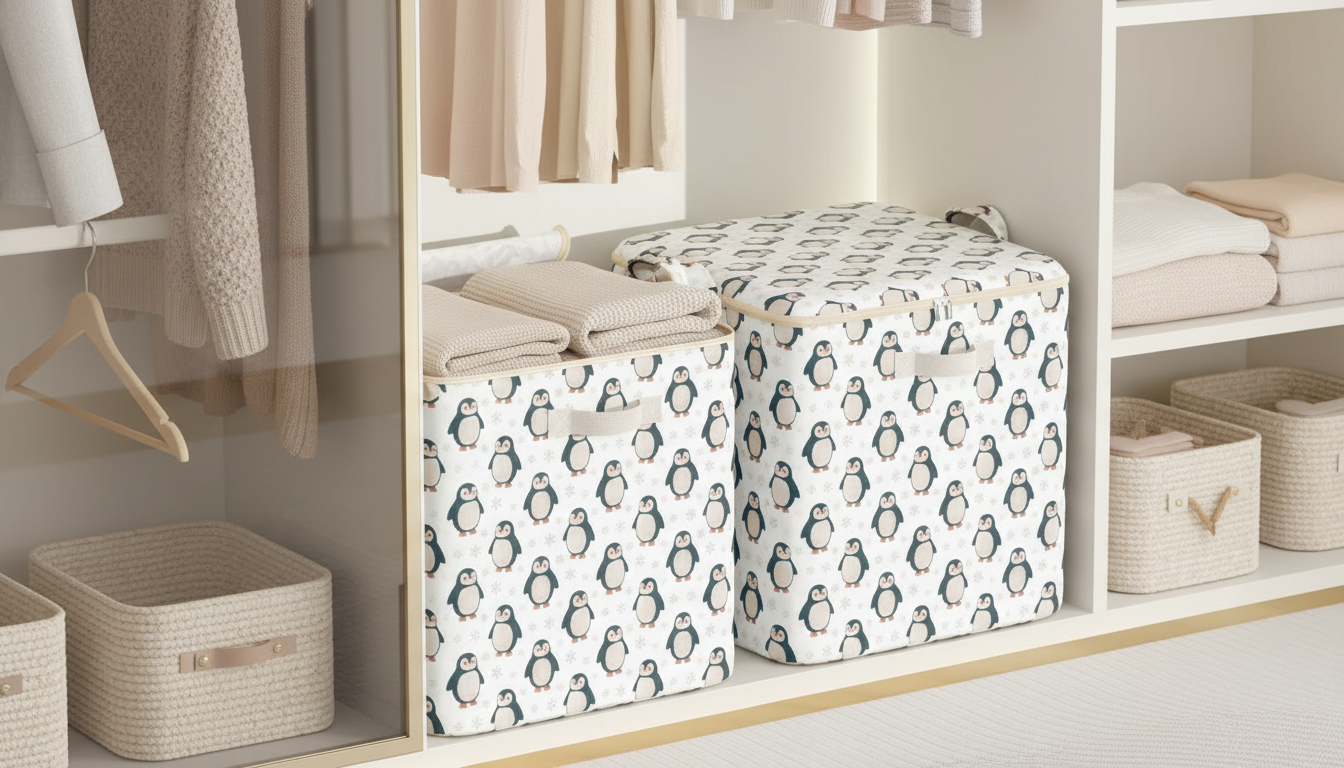
If you’re building a straightforward seasonal storage system, the Large Capacity Dust-Proof Blanket & Clothing Storage Bag is designed for bulky soft goods—blankets, comforters, and rotating clothing—kept together in one contained, zip-closed bag. It’s a practical fit for closet shelves, under-bed storage, dorm organization, and moving-day bundling, especially when you want a budget-friendly way to standardize how you pack across multiple rooms.
To make the rest of the room feel calmer once closets and shelves are cleared, pair storage upgrades with layout improvements from Mastering Furniture Arrangement for Calm and Clarity, which focuses on creating better flow and easier-to-maintain spaces.
FAQ
Can blankets and clothes be stored together in the same bag?
Yes if everything is clean and fully dry. Put heavier items on the bottom and consider grouping by season or room so retrieval stays quick and predictable.
How do you prevent stored blankets from smelling musty?
Store only clean, fully dry textiles and keep the bag in a cool, dry location. Avoid damp basements and check periodically to confirm the area stays dry and well-ventilated.
Is it safe to store items under the bed long term?
Generally yes if the area is dry and dust is managed. If the floor can get damp, elevate the bag slightly and keep it away from heat sources or leaky windows.
Recommended for you






Leave a comment