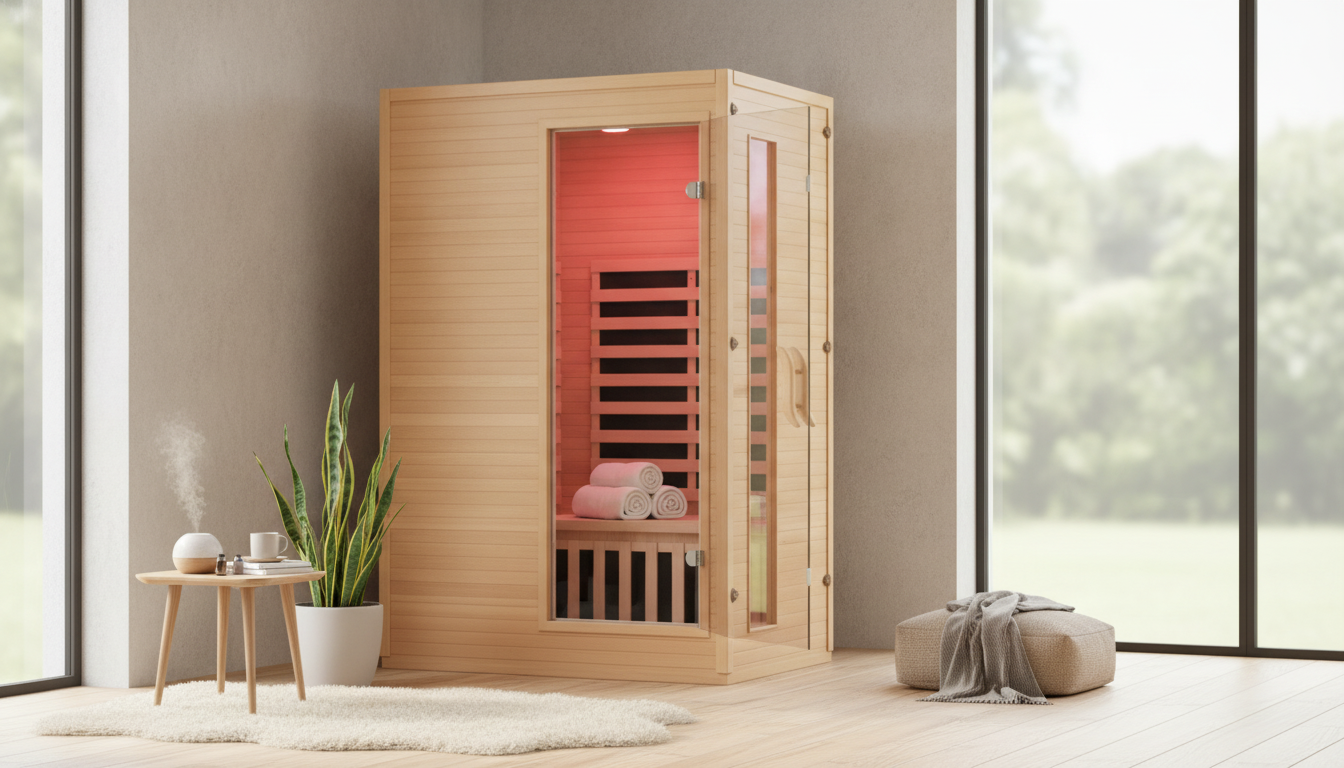
A 2-person infrared sauna designed with low EMF prioritizes a calmer at-home heat session without giving up convenience. The appeal is simple: step into steady, dry warmth on your schedule, with a design approach that aims to reduce electromagnetic field exposure compared to many standard builds. Below is a practical breakdown of what “low EMF” typically means in real-world use, how to evaluate heater performance and comfort, and what to expect for setup, safety, and maintenance.
Infrared warmth is often described as more gentle and direct than steam-style heat because the heaters are designed to warm the body and surfaces more than the air. Many people notice the heat “show up” on the skin quickly, even before the cabin air feels very hot.
Session length varies by tolerance and routine. A common approach is starting with shorter runs and building up gradually as hydration and comfort remain consistent. A 2-person cabin also gives flexibility: it can be used solo for extra elbow room, or shared with a partner—so shoulder space, bench depth, and how upright you can sit become surprisingly important for day-to-day satisfaction.
Experience factors that tend to matter most during actual use include:
EMF (electromagnetic fields) are produced by electrical components and wiring. “Low EMF” products are designed to reduce user exposure compared with many typical designs, but the details matter because EMF readings can change dramatically depending on how and where they’re measured.
Manufacturers may publish EMF readings along with a measurement distance—such as at the bench, at the user’s seated position, or a set number of inches from a heater. Distance, meter type, and whether both electric and magnetic fields were evaluated can all influence the reported number.
To compare low-EMF claims fairly, look for clarity on:
Practical habits can also help reduce exposure: sit back from control boxes when you can, keep wiring tidy during assembly, and follow grounding instructions carefully. For a general overview of EMF concepts, the World Health Organization’s electromagnetic fields resource is a helpful starting point.
| What to check | Why it matters | What “good detail” looks like |
|---|---|---|
| Measurement distance | EMF levels change dramatically with distance | Readings reported at seated position and/or a clearly stated distance |
| Measurement method | Different meters and approaches yield different values | Meter type, field type (electric/magnetic), and procedure described |
| Component placement | Control panels and power supplies can be higher-EMF areas | Electronics positioned away from typical head/torso location |
| Grounding and wiring | Poor grounding can increase electric fields | Clear installation steps and grounding guidance |
| Transparency | Helps compare products fairly | Published specs or test report with context |
Comfort isn’t just about a high maximum temperature. Many households end up happier with a sauna that delivers consistent warmth, feels comfortable to sit in, and supports repeatable routines.
For a balanced overview of potential benefits and risks, see the Mayo Clinic guidance on sauna safety.
If you’re browsing general consumer resources on infrared products and safety information, the FDA consumer information hub is a credible place to start.
If your priority is a practical at-home cabin sized for two—without feeling cramped—consider the Infrared 2-Person Sauna with Low EMF. It’s designed for shared sessions or roomy solo use, with low-EMF positioning as a key differentiator for buyers who want reduced exposure from electrical components.
Both use infrared heaters to deliver dry heat, but low-EMF designs aim to reduce electromagnetic fields from wiring and electrical components. The most meaningful comparisons come from measurements taken at a stated distance (ideally near seated position) using a clearly described method.
Start conservatively with short sessions and increase gradually only if you feel consistently comfortable and well-hydrated. Stop immediately if you feel dizzy, nauseated, or develop a headache, and consider medical guidance if you have health conditions that affect heat tolerance.
Choose a level spot with enough clearance for door swing, airflow, and safe entry/exit, plus convenient electrical access that matches the unit’s requirements. Conditioned indoor spaces typically provide more consistent heat-up and comfort than cold or drafty areas.





Leave a comment