Simple Ways to Make Your Space Cheerful: A Cozy, Mood-Lifting Home Reset
A cheerful home rarely comes from a single big makeover. It’s usually the result of a few reliable choices—light, color, comfort, and clear surfaces—repeated across a space. Use the ideas below as a flexible checklist for creating a brighter, cozier feel room by room, even with a tight budget or limited time.
Start with a 20-minute reset (fast wins that change the feel immediately)
When a room feels heavy, the fastest route to “better” is a small reset that’s visible from the doorway. Set a timer and aim for progress, not perfection.
- Clear one visual hotspot first: coffee table, kitchen counter, entry bench, or nightstand—choose the surface seen most often.
- Use a 3-bin method: Put Away (belongs here), Relocate (belongs elsewhere), Donate/Trash (no longer serves you).
- Reset the room’s scent in under a minute: open a window for fresh air, then add a subtle option (candle, diffuser, or simmer pot).
- Do a quick floor sweep/spot-vac around the edges: cleaner perimeter lines make the whole room feel calmer and more finished.
- Finish with a single anchor object: a throw, a tray, a plant, or a lamp turned on to signal “cozy lives here.”
Declutter for cheer: keep what supports daily life (not just what fits)
Clutter doesn’t just take up space—it pulls attention. If relaxing is the goal, reduce the number of items competing for your focus and keep what actually supports the way you live day to day.
- Aim for fewer “maybe” items in sight: visual noise competes with relaxing cues like soft light and warm textures.
- Try the one-touch rule for surfaces: anything left out should be intentionally placed (tray, bowl, hook) rather than scattered.
- Use contained clutter: baskets, lidded boxes, and drawer dividers keep essentials accessible without broadcasting mess.
- Create a donation zone near the exit: a closet-floor bin or labeled tote makes letting go routine instead of a weekend project.
- Declutter by category for 10 minutes: cords, papers, mugs, or beauty samples—small wins build momentum fast.
Declutter targets that boost mood quickly
| Area |
What to reduce |
What to add instead |
Why it helps |
| Entryway |
Loose shoes, stray mail |
Hooks + small tray |
A calm arrival lowers stress and sets a welcoming tone |
| Living room surfaces |
Random items, too many decor pieces |
One tray + one statement object |
Clear focal points feel intentional and uplifting |
| Kitchen counter |
Appliance crowding |
Keep one “daily” appliance out |
More prep space makes daily routines smoother |
| Bedroom nightstand |
Stacks of items, cords |
Lamp + book + small dish |
Simpler bedtime cues support winding down |
Light that lifts: brighten corners and soften glare
Lighting affects how a room reads emotionally—bright enough to feel alive, soft enough to feel safe. Light also shapes daily rhythms; helpful background reading on light and well-being is available from Harvard Health Publishing and the National Library of Medicine.
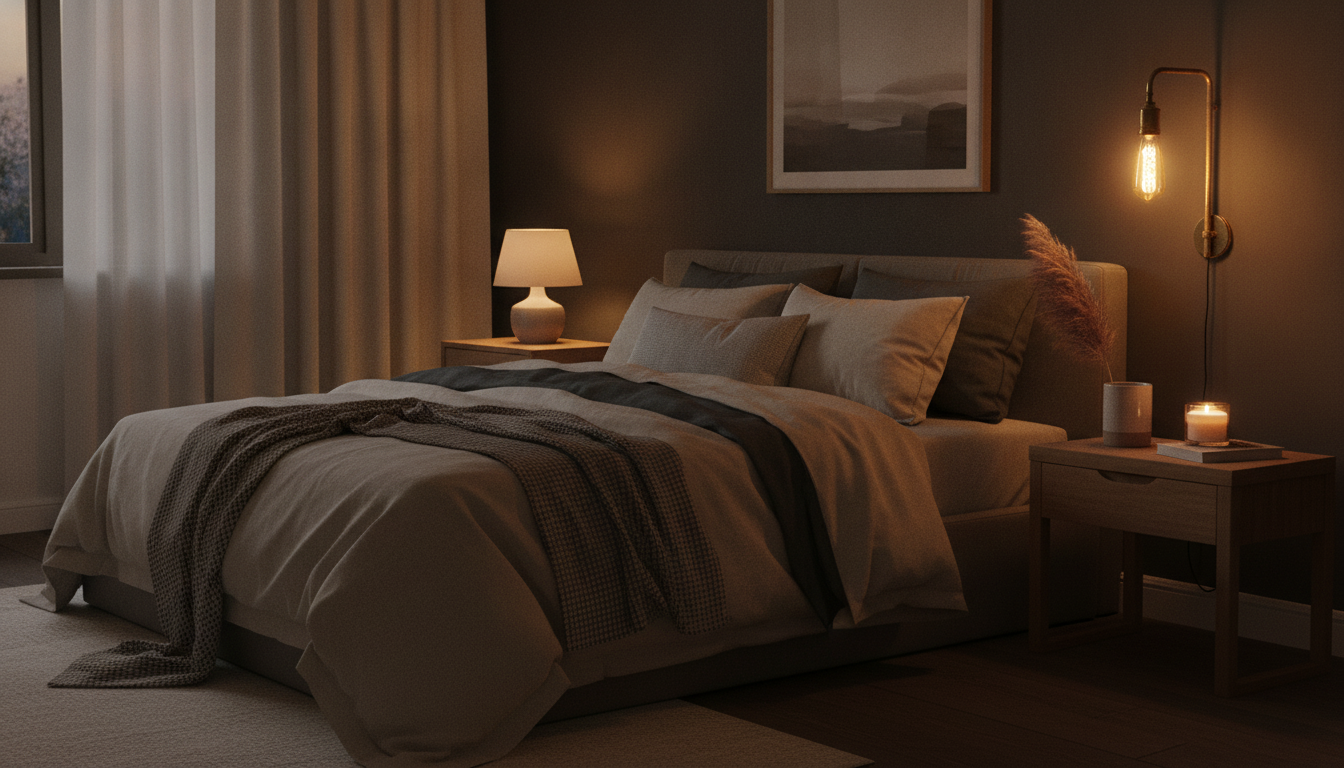
- Layer three types of lighting: ambient (overall), task (reading/cooking), and accent (cozy glow).
- Use warm-white bulbs in relaxation zones: living room and bedroom feel calmer; save cooler light for focus areas like laundry or a desk.
- Place one lamp in a dark corner: it removes shadowy “dead zones” that can make a room feel smaller or dull.
- Add reflective surfaces thoughtfully: a mirror across from a window or a metallic tray can bounce light without harshness.
- Keep windows visually open: pull back curtains fully, clean glass, and move objects that block the lower half of the window.
Color that makes a home feel happier (without repainting everything)
Color can be energizing, comforting, or both. If you’re curious about how color can influence mood, the American Psychological Association is a solid starting point for psychology-related resources.
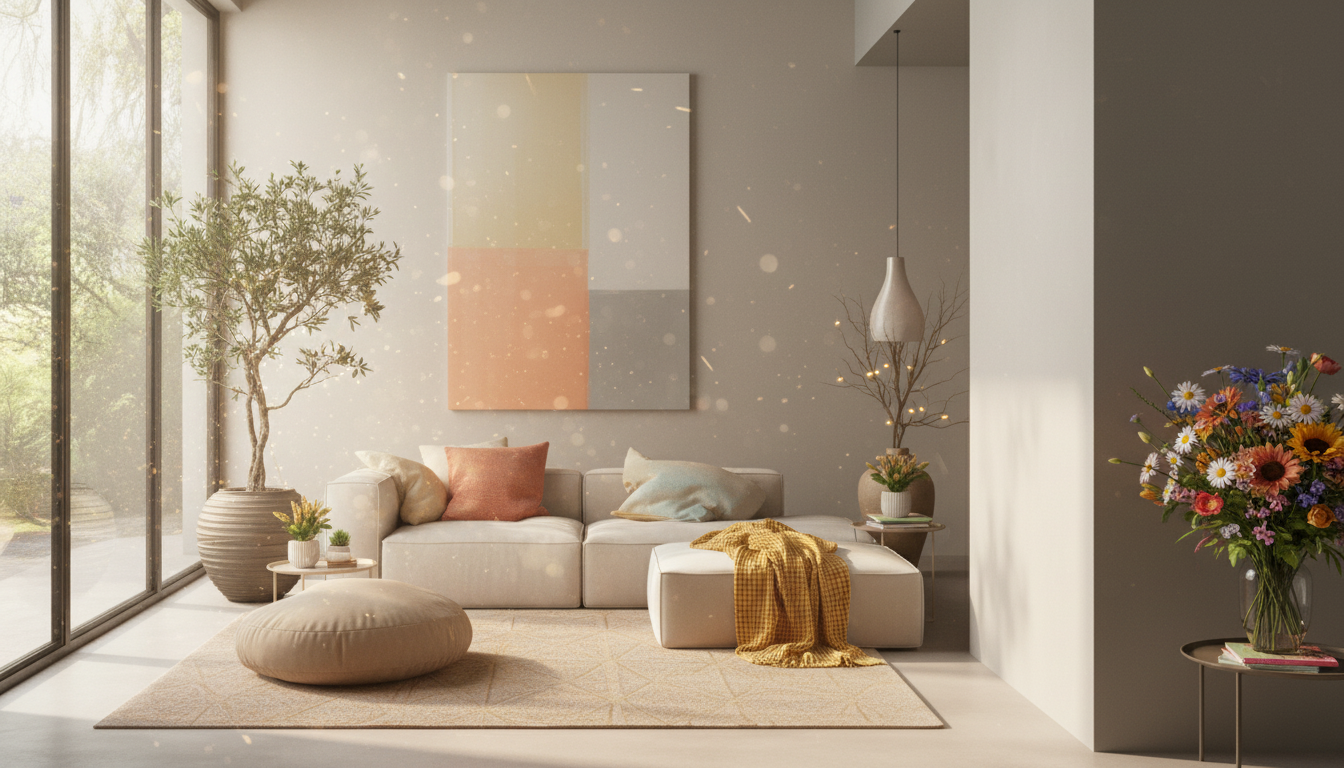
- Pick one cheer color and repeat it 3 times: pillow, artwork, vase, or a small rug detail creates cohesion and lift.
- Use soft neutrals as a base: cream, warm gray, and beige help brighter accents feel uplifting rather than chaotic.
- Try color in low-commitment places: throw pillows, duvet cover, removable wallpaper, table linens, or framed prints.
- Balance bright colors with natural textures: wood, rattan, and linen keep the mood warm and grounded.
- If a room feels restless: reduce competing hues and use one accent color plus two supporting tones.
Cozy texture checklist: comfort cues the brain to relax
Texture is the shortcut to “inviting.” A room can be neat and stylish, yet still feel a little cold until it has touchable softness in the right places.
Bring life in: plants, flowers, and nature-inspired details
If you enjoy adding seasonal color through food and florals, A Seasonal Shopper’s Guide to Farmers Markets: Your Ultimate Digital Resource for Seasonal Produce & Farmers Market Shopping can make it easier to bring home fresh, mood-lifting finds that double as simple decor.
A room-by-room mini plan (so changes actually stick)
A guided checklist to keep the momentum going
For a focused, step-by-step approach, use Simple Ways to Make Your Space Cheerful (digital eBook and cozy home checklist) to guide decluttering, lighting, color, and comfort—without guessing what to do next.
FAQ
What are the easiest changes to make a room feel more cheerful?
Start with quick visual wins: clear one main surface, add a warm lamp in a dark corner, repeat one accent color three times, and introduce one cozy texture like a throw or small rug.
How can a small space feel brighter without renovating?
Use layered lighting, keep windows visually open, add a mirror to bounce daylight, and reduce visible clutter on floors and countertops to make the room feel more open.
How do you pick colors that feel happy but not overwhelming?
Choose one main accent color, pair it with warm neutrals, and balance it with natural textures. Test the color through removable items like textiles and art before committing to paint.
Recommended for you





Leave a comment