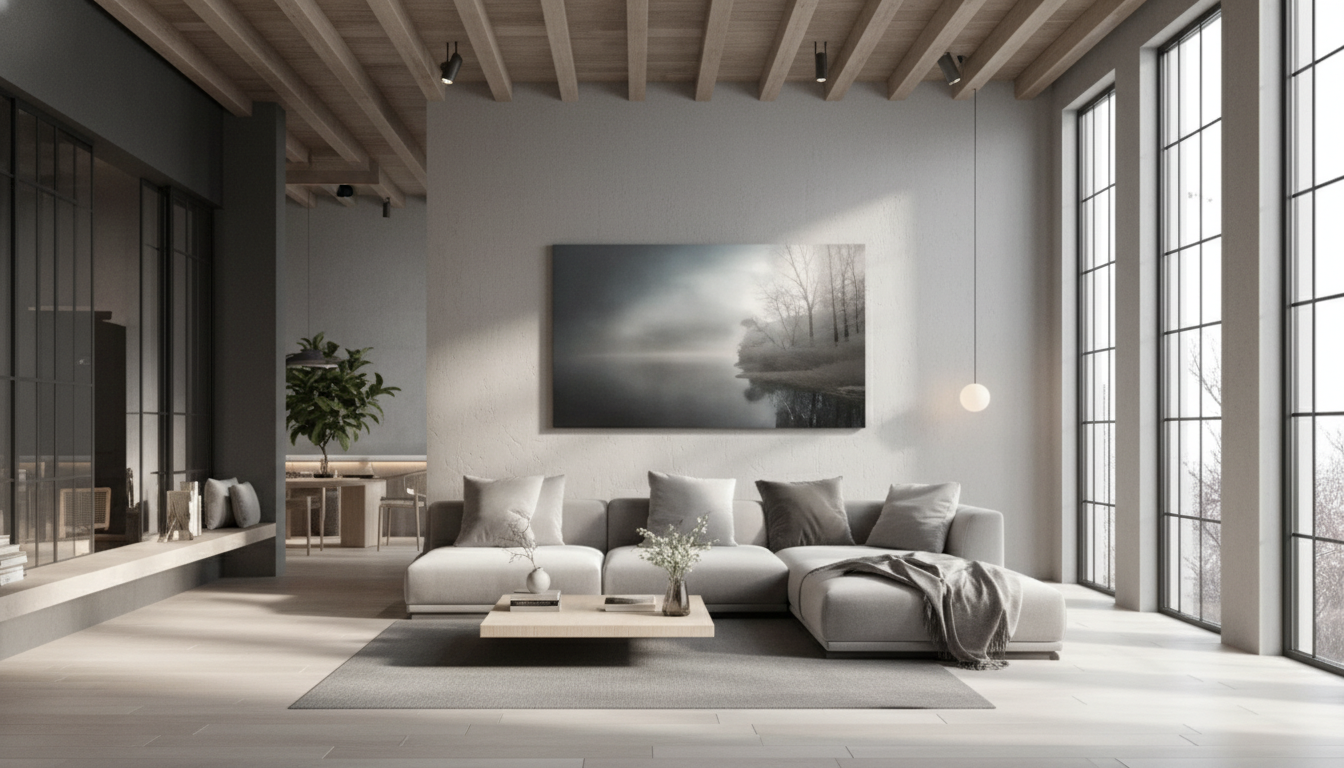
A calm home starts with what the body notices first: clear paths, balanced sightlines, supportive seating, and rooms that feel easy to move through. Furniture arrangement doesn’t have to be a talent you’re born with—it’s a series of small, practical choices about function, flow, focal points, and proportion. Add a minimalist mindset (less visual noise) and a few feng shui-friendly placement principles (more grounded “support” and smoother circulation), and even familiar rooms can feel noticeably steadier and more restorative.
The fastest way to create a room that feels crowded is to treat every corner as an opportunity to add something. Instead, decide what the room is for, then let furniture earn its place.
| Room type | Main goal | What to protect | Common mistake to avoid |
|---|---|---|---|
| Living room (conversation) | Face-to-face connection | Clear walkways around seating | Pushing all seating against walls and losing intimacy |
| Living room (media) | Comfortable viewing | Screen alignment + glare control | Blocking paths with ottomans or oversized tables |
| Bedroom | Rest and reset | Bed access on both sides when possible | Crowding nightstands or placing bed in a traffic lane |
| Home office | Sustained focus | Task lighting + cable routes | Desk facing a wall with no visual rest and constant disruption behind |
| Dining area | Ease of gathering | Chair pull-back space | Over-sizing the table so circulation collapses |
Flow is the difference between a room that looks fine in a photo and one that feels good to live in. When walking routes are direct and unblocked, the mind relaxes because it’s not constantly negotiating obstacles.
Calm layouts feel intentional because the room has a clear “headline.” When the focal point is obvious, everything else can take a quieter role.
Minimalist arrangement is less about owning nothing and more about making it easy to rest your attention. Warmth comes from comfort, scale, and texture—not from crowding surfaces.
Lighting is part of layout, too. Layering task and ambient light can reduce strain and support wind-down routines—an idea echoed in health guidance around how light influences well-being (see the National Institutes of Health overview materials).
Feng shui is a traditional practice focused on how environments influence human experience and well-being (learn more via Encyclopaedia Britannica). You don’t need to add objects to benefit—small shifts in placement can create a steadier, more supported feeling.
For professional standards and planning resources, the American Society of Interior Designers (ASID) offers helpful references that can refine decision-making as your space evolves.
Protect a clear entry path first, then build the room around one anchor piece like a sofa or loveseat. Use visually light tables and define the seating zone with a properly sized rug so the layout feels unified rather than scattered.
Shift key pieces into the command position, remove blockages in main pathways, and soften sharp corners aimed at seating or the bed. Prioritizing “support” behind the main seat or headboard can also make the room feel more grounded.
Keep walkways comfortable and leave intentional negative space so the eye can rest. Aim to keep most surfaces largely clear and limit each zone to the pieces required for its main function.



Leave a comment