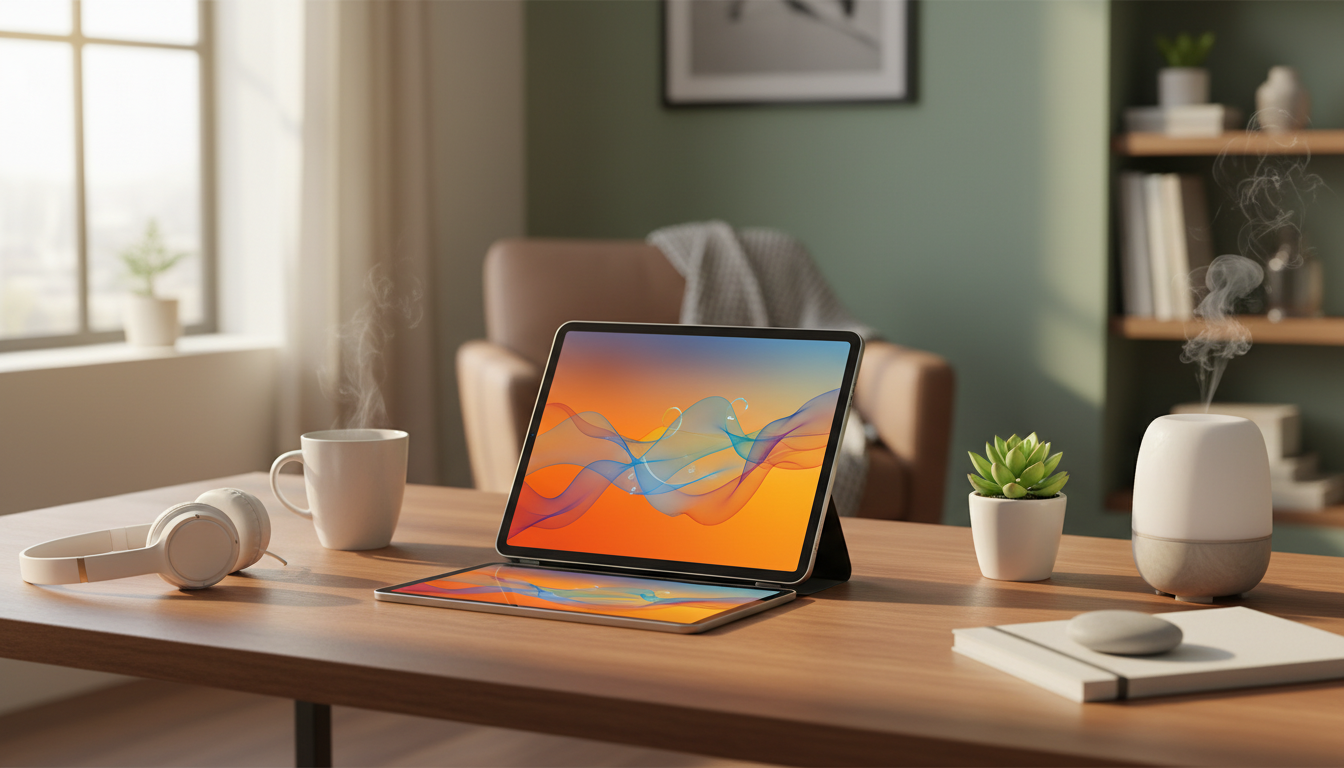
Stress doesn’t always arrive with warning—and for many people, home is where it quietly builds. Calm With Smart Tools is a digital guide designed to help create steadier days using practical mindfulness, relaxation routines, and supportive AI-assisted prompts that fit into real schedules. The focus stays on simple, repeatable actions that make calm easier to access—morning to night.
Stress can show up as tight shoulders, racing thoughts, irritability, or that “always on” feeling. According to the American Psychological Association, stress affects the body in wide-ranging ways—so it makes sense to build small recovery habits that are easy to repeat at home.
“Smart tools” doesn’t mean outsourcing your well-being. It means using supportive structure so calming choices are easier to make when bandwidth is low.
Mindfulness and meditation are widely studied for stress support. The National Center for Complementary and Integrative Health notes mindfulness practices can be helpful for stress and overall well-being when used safely and consistently.
It’s also useful when stress is tied to work demands. The World Health Organization highlights that work-related stress is common—and that healthy coping strategies and boundaries matter. Home routines can act as a buffer, especially when work and personal life share the same space.
The most effective at-home calming tools are often the simplest ones—the kind you can do without setting up the “perfect” vibe. Expect practices that are short, repeatable, and flexible:
| Situation | Time | What to do | Goal |
|---|---|---|---|
| Racing thoughts at night | 2–5 min | Slow exhale breathing + write 3 worries and 1 next step | Lower arousal and reduce mental looping |
| Midday tension and fatigue | 3–7 min | Shoulder/neck release + brief body scan | Interrupt stress posture and restore focus |
| Overstimulation (noise, screens) | 1–3 min | Grounding: name 5 things seen + 4 felt + 3 heard | Reorient attention and stabilize |
| After a stressful interaction | 5–10 min | Progressive muscle relaxation + compassionate reframe prompt | Decompress and prevent carryover stress |
Consistency beats intensity. A routine that’s “small enough to do on a bad day” is the one that lasts.
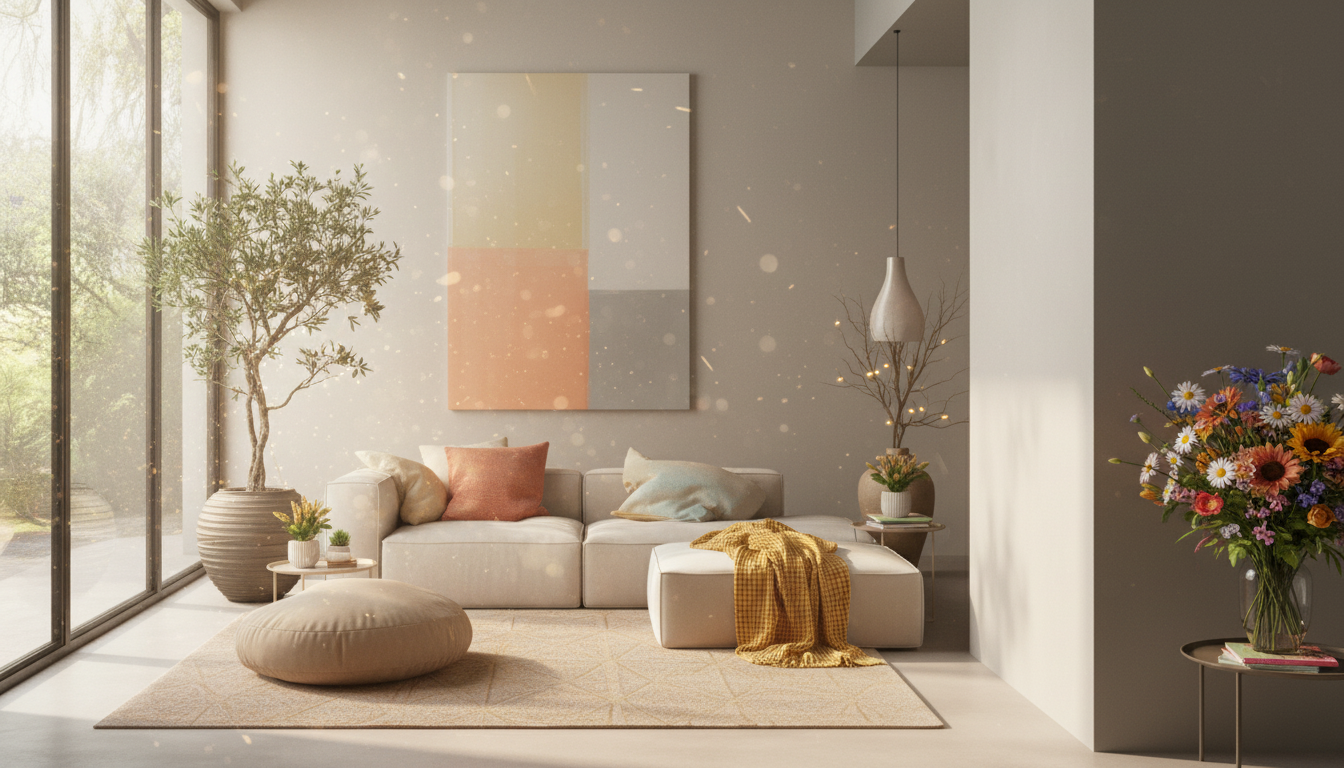
If you want extra support on the space side, Mastering Furniture Arrangement for Calm and Clarity complements stress-relief routines by focusing on balanced layouts, smoother energy flow, and practical ways to reduce visual noise.
| Item | Format | Best for | Price |
|---|---|---|---|
| Calm With Smart Tools — AI-Enhanced Stress Relief Ebook for Home Wellness, Mindfulness & Relaxation | Calm With Smart Tools Guide | Ebook | At-home routines, prompts, mindfulness and relaxation practice | $17.99 USD |
No. It’s a self-help tool for routines, reflection, and coping skills, but persistent or severe anxiety, panic, major sleep disruption, or safety concerns should be addressed with a licensed professional or urgent support services.
Many people do well starting with 3–10 minutes a day. Small resets done consistently—plus a brief weekly review—tend to create more lasting change than occasional long sessions.
That’s common, especially during stressful seasons. Try shorter practices, body-based methods (breathing or muscle relaxation), or grounding techniques that use sights and sounds so attention has something concrete to land on.


Leave a comment