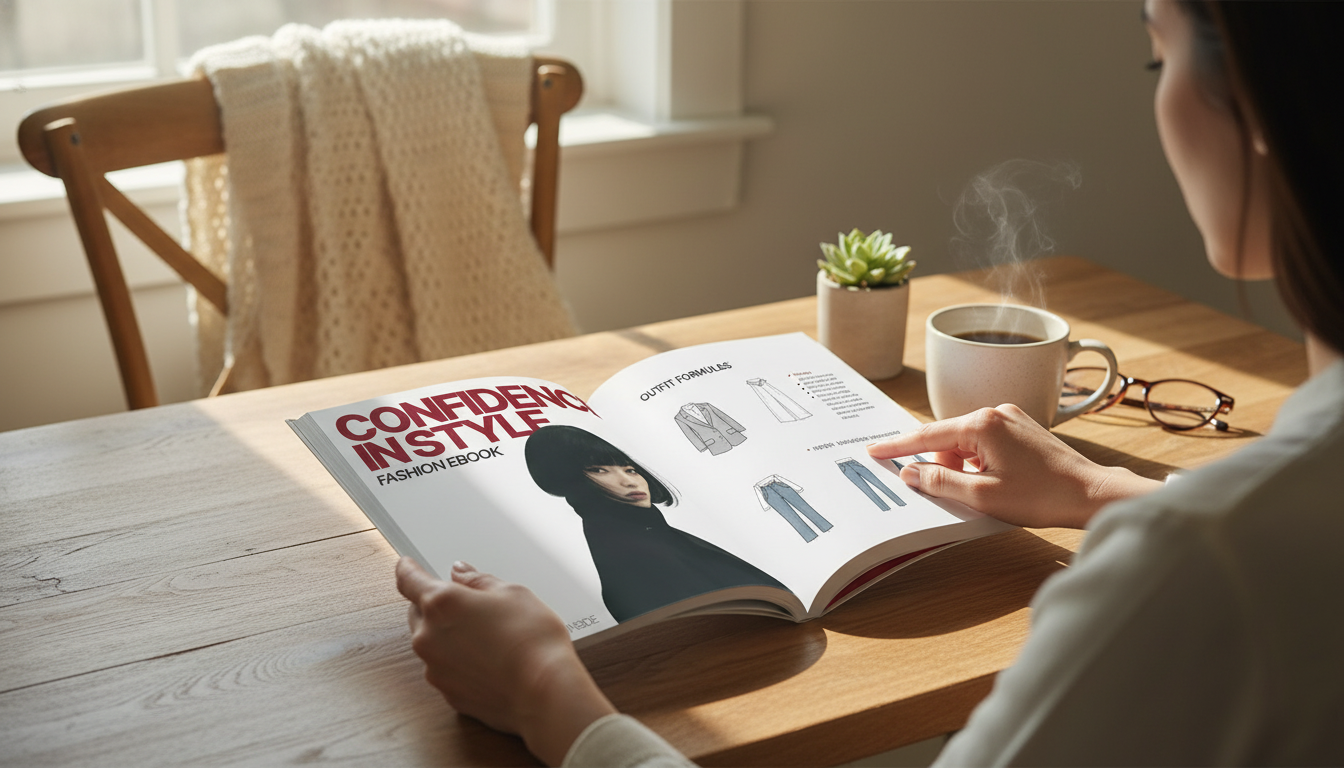
Confidence in what’s being worn often comes from clarity: knowing what works, why it works, and how to repeat it on real mornings. The goal isn’t a brand-new wardrobe or a perfect personal aesthetic—it’s a reliable system that reduces second-guessing, supports daily life, and makes outfits feel intentional. When clothing aligns with comfort, setting, and self-image, it becomes easier to show up calmly and consistently.
Confident style is less about getting compliments and more about removing friction. It’s the quiet certainty of being dressed for the day you’re actually having.
That sense of alignment supports self-esteem—your overall evaluation of self-worth—by reinforcing a predictable, respectful relationship with yourself. For a clear definition, see the APA Dictionary of Psychology entry on self-esteem.
A closet reset works best when it’s fast, compassionate, and focused on how you live now.
| Question to ask | If the answer is “no” | Keep option |
|---|---|---|
| Does it fit comfortably right now? | Alter, replace, or release it | Keep if a simple fix exists (hemming, tailoring) |
| Can it make at least 2 outfits with what is already owned? | Move to trial zone or release | Keep if it fills a real gap (layering piece, shoe) |
| Would it be chosen on a normal weekday? | Release guilt items | Keep only for a clear purpose (formalwear, travel) |
| Does it reflect current style goals? | Let past versions of you go | Keep 1–2 sentimental items stored, not in daily rotation |
Outfit formulas are repeatable combinations that remove decision fatigue. Instead of asking “What should I wear?” you’re choosing from a short menu you already trust.
| Formula | Best for | Easy variations |
|---|---|---|
| Structured top + straight-leg bottoms + simple shoes | Work or meetings | Swap blazer/cardigan; rotate colors; add belt |
| Monochrome base + one texture layer | Effortless polished days | Knit/denim/leather layer; change bag/shoe tone |
| Dress + third piece (jacket/overshirt) + comfortable shoe | Fast one-and-done | Change hem length; swap sneaker/boot/flat |
| Fitted top + wide-leg bottom + defined waist | Balanced proportions | Add cropped jacket; choose low/high contrast |
| Athleisure base + “real clothes” topper | Errands to casual plans | Long coat, button-down, or sleek tote |
Small, repeatable choices create a “finished” look—without needing more pieces.
Clothing can also influence how you feel and perform—research on “enclothed cognition” suggests what you wear can affect psychological processes when the clothing has symbolic meaning. See the 2012 study in the Journal of Experimental Social Psychology.
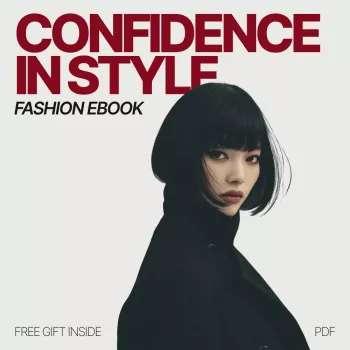
If a simple checklist isn’t enough and you want a clear framework, a guided resource can help turn scattered ideas into a repeatable process. Confidence in Style: An Empowering eBook Guide on How to Feel Confident in What I Wear, Build Outfits You Love, and Dress With Purpose Every Day ($18.99) walks through practical prompts for clarifying personal style, simplifying choices, and building outfits you’ll actually rewear.
Because stress can amplify outfit indecision, pairing style systems with calming routines can help too. Calm With Smart Tools — AI-Enhanced Stress Relief Ebook for Home Wellness, Mindfulness & Relaxation ($17.99) is designed to support steadier days—so getting dressed feels lighter, not like one more test to pass.
Choose 3–5 outfit formulas you can repeat, create a small color palette to reduce mismatches, and experiment with new pairings from what you already own. If one item consistently causes doubt, prioritize a single high-impact fit fix (like hemming or tailoring) rather than shopping.
Keep 1–2 complete outfits that always feel good: a comfortable base, a flattering silhouette you don’t need to fuss with, reliable shoes, and a “third piece” (jacket, cardigan, or structured layer). Choose versions that match your most common day-types so they’re truly usable.
A practical target is 6–10 looks total across three day-types (home, out-and-about, high-visibility), plus one backup outfit for high-pressure days. Rotate accessories and layers to create variety without reinventing the wheel.


Leave a comment