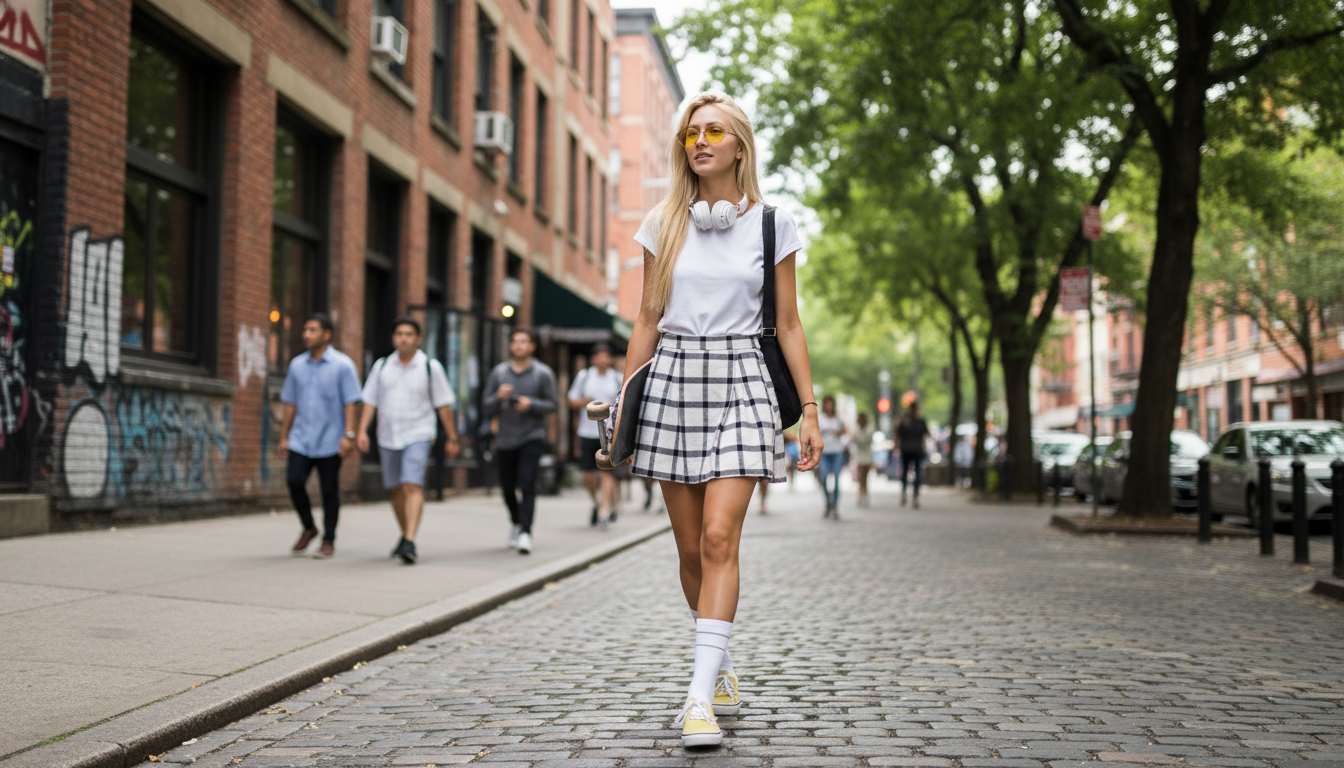
Streetwear feels effortless when the pieces earn their place in daily life: comfortable, weather-ready, easy to repeat, and still sharp enough for plans after work. The goal isn’t to “dress up” or chase hype—it’s to build a small system around fit, layers, and footwear so outfits look intentional without being fussy. For more guidance, see Streetwear Style: 9 Tips to Master The Look – mnml.
“Working” streetwear has the same standards as any reliable daily uniform: it has to move, hold up, and look cohesive in real lighting—not just in a mirror selfie. For further reading, see Streetwear Style Guide for Everyday Looks – LinkedIn.
If you want a quick reality check, browse outfit coverage from outlets like GQ Style and Vogue Fashion: the best casual looks usually have one crisp anchor and one intentional proportion choice (not five loud pieces fighting at once).
Most everyday streetwear outfits can be built from the same three blocks. Keep the blocks consistent, then rotate color, texture, and silhouette.
| Base | Layer | Bottom | Shoes | Best for |
|---|---|---|---|---|
| White/black tee | Overshirt | Straight jeans | Clean sneakers | Errands, casual meetups |
| Long-sleeve tee | Hoodie | Cargo pants | Running-style sneakers | All-day comfort, travel days |
| Sweatshirt | Light bomber | Tapered chinos | Minimal trainers | Casual office, dinner after |
| Tank/tee | Coach jacket | Wide-leg trousers | Skate shoes | Warm days, relaxed fits |
| Knit polo/tee | Denim jacket | Dark jeans | Leather sneakers | Sharper street look |
A capsule doesn’t mean boring; it means fewer dead-end items. Start neutral, then add one repeatable accent color (rust, burgundy, cobalt, or a muted green) across two or three pieces.
One practical way to keep the capsule from drifting is to define your “default silhouette” (straight/relaxed legs, or tapered legs) and buy most bottoms within that lane. You can still have one wildcard fit, but it shouldn’t be the foundation.
If you want a compact reference you can come back to when you’re getting dressed (or editing your closet), the Everyday Streetwear That Actually Works | Streetwear Outfit Ideas for Everyday | Practical Style Guide eBook lays out repeatable combinations, proportion tips, and simple rules for building a rotation that doesn’t feel repetitive.
And if taking quick outfit photos helps you spot proportion issues (hem lengths, shoulder fit, shoe-to-pant balance), a stable setup makes it easier to be consistent. The Carbon Fiber Travel Tripod with Teleprompter Mount can help you film fit checks or content without shaky angles.
Prioritize clean fit at the shoulders, a consistent color palette, and a single focal point (jacket, shoes, or one accessory). When the silhouette and layering are intentional, basics look premium without loud branding.
One clean, minimal sneaker covers most outfits, and one comfort-oriented pair (with better cushioning) handles long days. Match sole profile to pant width: chunkier soles with wider pants, lower-profile shoes with slimmer legs.
A tight 12–16 core items is plenty when each piece builds at least three outfits. The variety comes from swapping layers and shoes, not from owning a different “statement” for every day.




Leave a comment