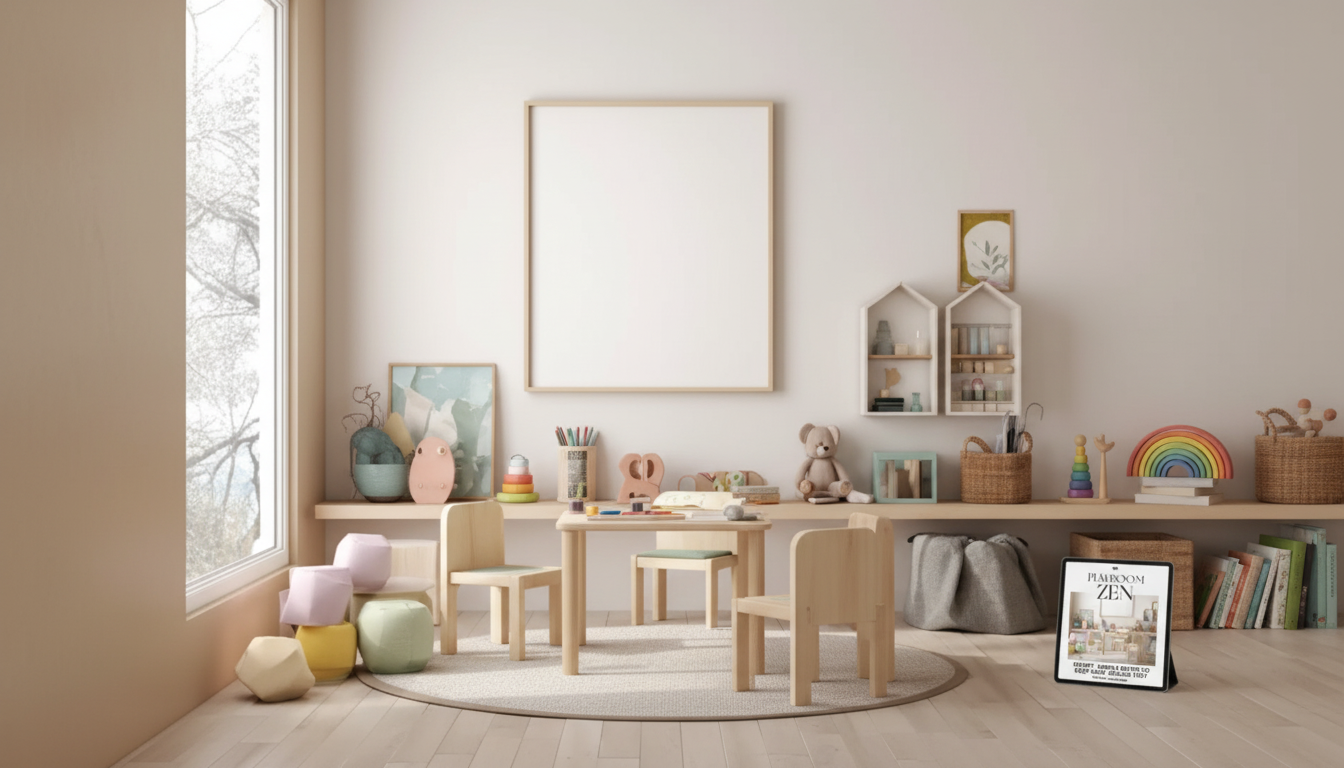
A tidy playroom doesn’t require perfection or hours of cleanup. The most sustainable approach is a setup kids can understand, a routine they can repeat, and boundaries that keep clutter from multiplying. The goal is a space that supports real play—without the constant “where does this go?” spiral. Below are simple decluttering steps, easy-to-maintain storage ideas, and kid-powered habits that keep the room functional on regular weekdays. For more guidance, see [PDF] Easter eggs that chirp – UFDC Image Array 2 – University of Florida.
Playrooms don’t get chaotic because families are doing it “wrong.” They get messy because the environment makes it easy for clutter to grow and hard for kids to reset. For further reading, see slugs.txt – Welcome Visitors – Wiki.org.
Decluttering works best when it’s small enough to finish in one pocket of time. Instead of emptying the entire room, start with one visible win.
| Toy type | Keep if… | Store how | When to rotate/donate |
|---|---|---|---|
| Building sets (blocks, magnetic tiles) | Used weekly and easy to rebuild | Open bin + small bag for mini pieces | Rotate if duplicates pile up; donate extras |
| Pretend play (kitchen, dolls, figures) | Kids initiate play without prompting | Shallow bin by theme (food, dolls, vehicles) | Donate if mostly used for dumping, not play |
| Arts & crafts supplies | Supplies are complete and age-appropriate | Caddy + labeled envelopes for paper/stickers | Rotate seasonal items; discard dried markers/glue |
| Puzzles & games | All pieces are present | Vertical file bin or slim shelf | Donate if missing pieces or never chosen |
| Stuffed animals | A few favorites are actively loved | Hammock/large basket with a clear limit | Donate when basket is full; keep only top picks |
The best playroom storage is “obvious” at a glance. If a child has to ask where something goes, the container is too complicated or the category is unclear.
For toy safety basics (including age-appropriateness and hazards to watch), use guidance from the American Academy of Pediatrics. For age-aligned expectations, the CDC developmental milestones can help set realistic cleanup responsibilities.
Zoning isn’t about having a giant room—it’s about making “where it belongs” obvious. Even a small play area can have mini-zones.
Kids don’t need a long lecture to cooperate—they need a system that matches how they think, plus a short routine that ends quickly.
Use a space-based limit: keep only what fits comfortably in the current bins and shelves with enough room for kids to put items away easily. Rotate the rest into a closet or storage tote so the playroom stays manageable.
Two short resets work best: a 3–5 minute tidy right after play sessions and a 10-minute evening reset focused on clearing floors, wiping surfaces, and returning items to labeled bins.
Make categories obvious and reachable, give one-step instructions, and keep cleanup short so it feels doable. Consistency matters more than long sessions, especially when the storage is simple enough for kids to use independently.




Leave a comment