Small, repeatable changes can make a home feel more calm, cohesive, and finished—without a full renovation. The most satisfying updates usually come from a few quick wins done consistently: editing what’s out, improving flow, warming up the lighting, and styling surfaces with intention. Use the steps below to refresh one room at a time, plus a practical checklist to plan, shop, and follow through.
Pick one room and commit to a short reset before buying anything. A fast edit makes every future decision easier.
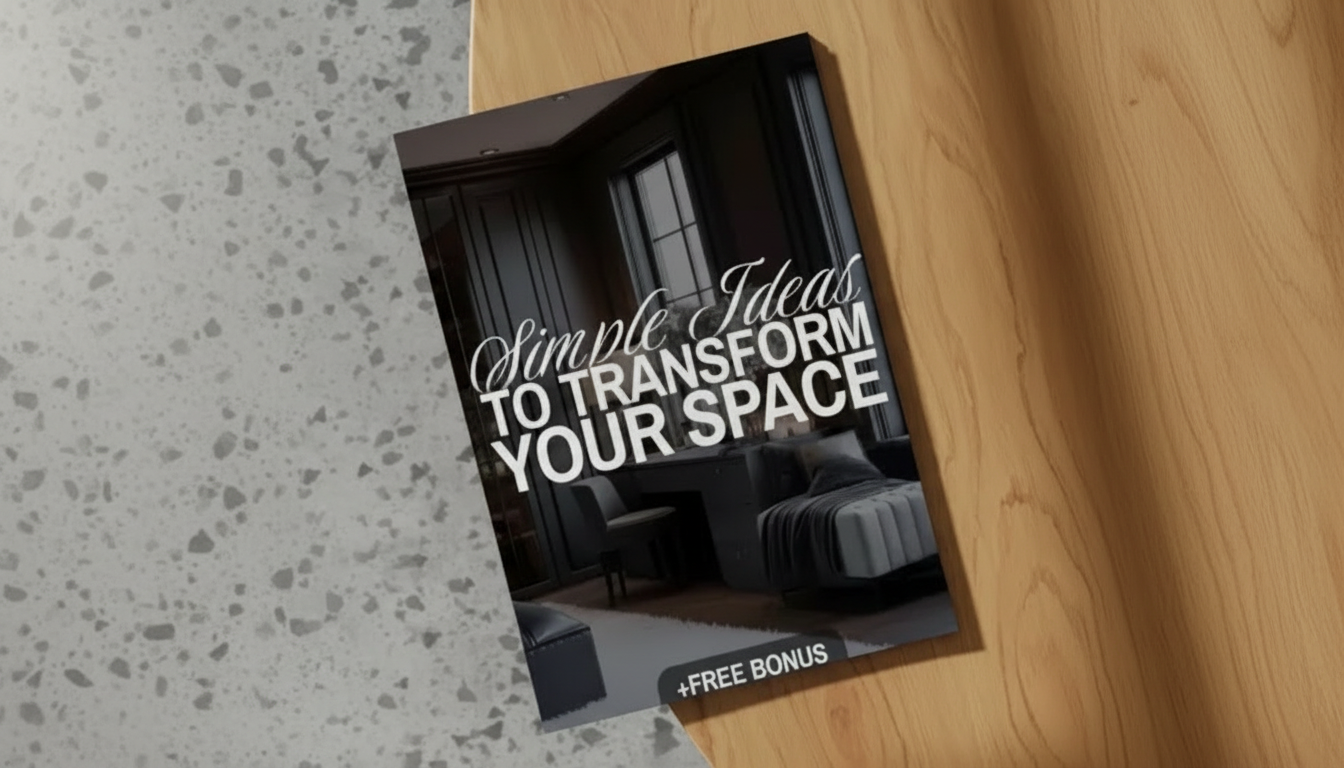
If you want a guided, repeatable system you can save to your phone or print, Simple Ideas to Transform Your Space | Home Decor Guide, eBook, Interior Design Checklist, Digital Download keeps each room focused on what to edit, what to measure, and what to upgrade next.
When a room feels “almost there,” it’s usually missing one of these three basics.
| Room | Fast fix (0–1 day) | Upgrade (1–2 weeks) | Shopping notes |
|---|---|---|---|
| Entry | Add tray/hooks for keys + a small mat | Add mirror for light and last-check spot | Choose durable, wipeable textures |
| Living room | Pull furniture off walls; clear one surface | Add rug large enough for front legs of seating | Warm bulbs (2700K–3000K) for comfort |
| Kitchen | Clear counters; group daily items on a tray | Swap cabinet pulls or add under-cabinet lighting | Measure holes/spacing before ordering hardware |
| Bedroom | Make bed styling simple: 2 pillows + throw | Add bedside lamps for balanced light | Match lamp height to mattress height |
| Bathroom | Edit products; use one organizer bin | Upgrade shower curtain + plush towels | Stick to one metal finish for cohesion |
| Home office | Hide cords; set one landing zone | Add task lamp + supportive chair setup | Check desk height and monitor level |
A cohesive palette makes even budget-friendly rooms feel intentional.
For inspiration on how color shifts season to season (and why some tones feel “fresh” longer than others), browse guidance from Pantone. For broader professional design standards, the American Society of Interior Designers (ASID) is a helpful reference point.
The goal is a home that feels lived-in, not overfilled. A few styling habits can keep surfaces looking “done” without constant tidying.
Comfort matters, too: improving airflow and reducing dust traps can make a room feel better to spend time in. The U.S. Environmental Protection Agency (EPA) — Indoor Air Quality offers practical information for healthier indoor spaces.
For step-by-step room flow planning (including calmer layouts and balanced “energy” considerations), Mastering Furniture Arrangement for Calm and Clarity is a deeper dive you can use room by room.
If your home refresh is also about feeling calmer day-to-day (not just making it prettier), pair decor updates with supportive routines from Calm With Smart Tools Guide.
Focus on lighting (multiple sources and warmer bulbs), a correctly sized rug, consistent hardware/finishes, and one strong focal point like art or a mirror. Then reduce surface clutter and repeat a small color palette.
Improve layout flow, use fewer larger pieces, hang curtains higher and wider, and add a mirror to bounce light. A tighter palette with consistent finishes also helps the room read as more open.
Yes—checklists help before style decisions by guiding measurements, decluttering, room function, layout zoning, and lighting needs. Once those basics are clear, any style choice is easier to execute.




Leave a comment